September 12, 2026 • Callum Reeve • 10 min reading time • Specs verified June 5, 2026
The No-Soak Sharpening Option: Diamond Stones vs. Traditional Whetstones for Outdoor Knives
Sharpening a knife sounds simple — run the blade along an abrasive surface until the edge comes back. But the abrasive you choose shapes everything downstream: how much prep time you need, how fast you remove steel, whether the stone warps after a hundred uses, and whether you’re cursing yourself at a campsite because you forgot to pre-soak anything. Two systems dominate the conversation right now — diamond plates (a rigid base coated with industrial diamond particles) and traditional whetstones (bonded abrasive material, either natural or synthetic, usually requiring water or oil as a lubricant). If you’re outfitting a sharpening kit for outdoor use and you’ve been reading reviews without landing on a clear answer, this article is built around that exact decision. We’ll map the tradeoffs across three tiers of product options, name what the owner community keeps repeating, answer the questions that show up in review threads over and over, and leave you with a clean “if X, then Y” decision rule at the end.
What You’re Actually Buying: The Core Mechanics
Let’s start at the steel level, because the abrasive type changes what happens to your edge geometry.
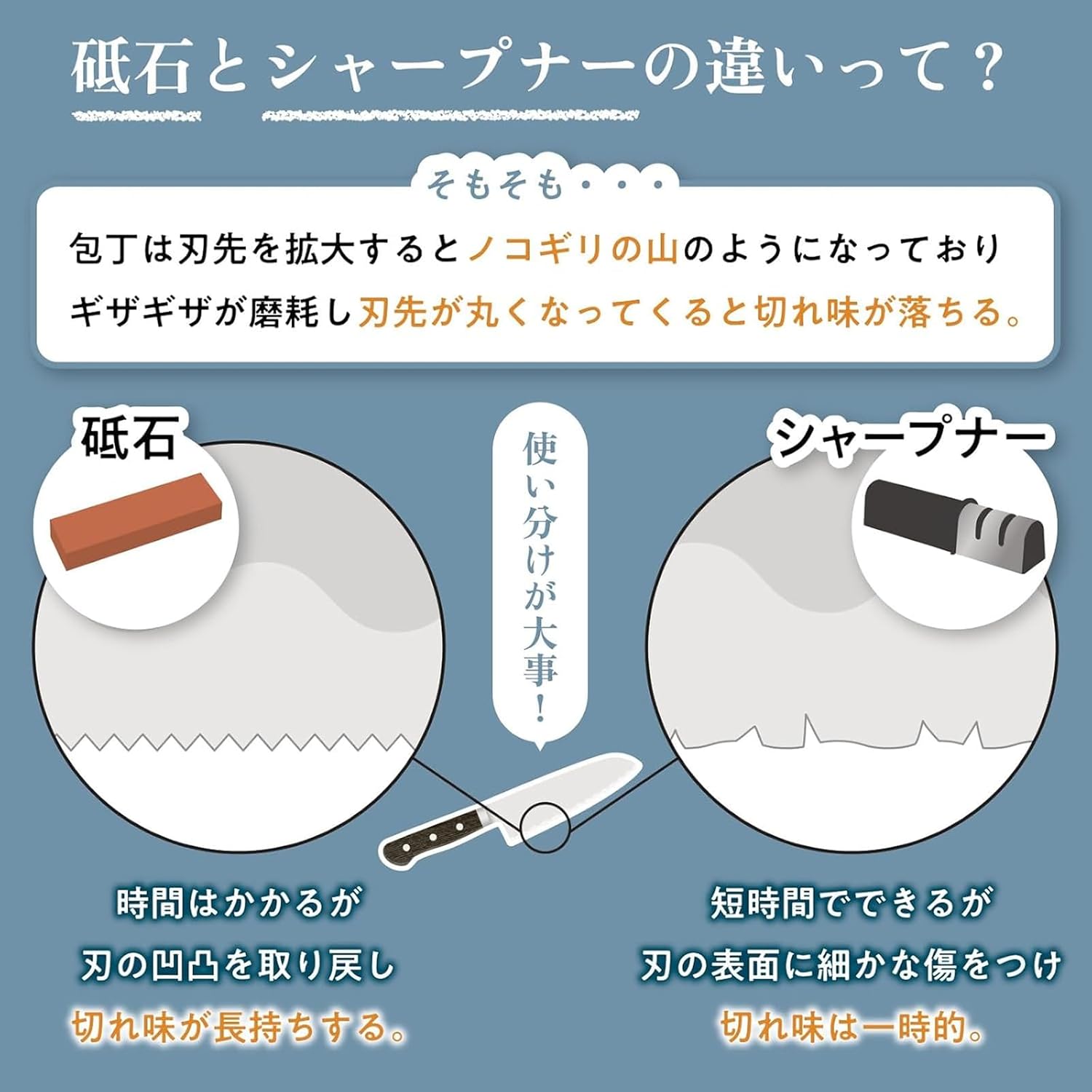
A traditional whetstone works by exposing fresh abrasive grit as the stone slowly wears. That wear produces slurry — a paste of fine stone particles and water — which itself becomes a secondary fine abrasive that polishes as you work. This is why good Japanese waterstones develop a reputation for producing a refined, toothy edge: the slurry is doing real work. The tradeoff is that a soft synthetic waterstone dishing (developing a concave hollow in the surface) is a real maintenance problem. A dished stone can’t hold a consistent sharpening angle, and you’ll need to flatten it periodically using a separate lapping plate or diamond flattening stone.
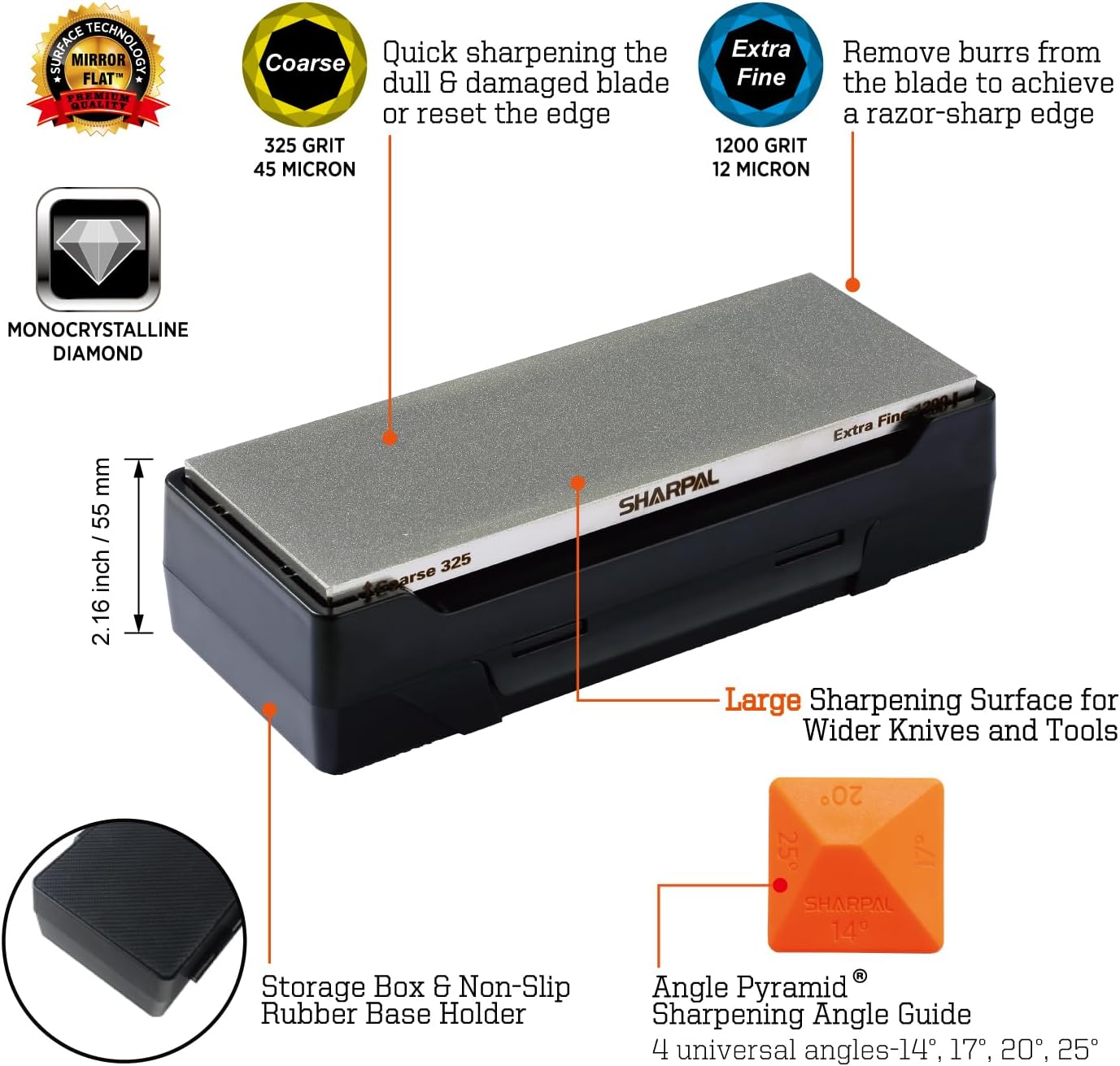
A diamond plate coats a steel or aluminum base with monocrystalline or polycrystalline industrial diamonds, bonded in a nickel matrix or resin. The surface doesn’t wear meaningfully in normal use — the diamonds are doing all the cutting, and they stay proud of the surface for a long time. This is why the no-dishing claim is legitimate, not marketing language. The plate stays flat because there’s no sacrificial stone material to remove. The abrasive cuts aggressively and quickly, which is an asset for hard modern steels (D2, CPM-3V) and a liability if you’re heavy-handed with thin edges on softer kitchen steels.
The no-soaking claim is equally honest and equally nuanced. Diamond plates can be used dry or with just a few drops of water to float away swarf (metal filings). No pre-soaking, no five-minute wait. King-style Japanese waterstones, by contrast, require soaking — typically five to ten minutes for splash-and-go, longer for stones that tend to dry out mid-session. In a base camp or hunting cabin, this is a minor annoyance. On a day hunt where you’re sharpening a deboning knife between animals in the field, it’s a genuine friction point.
As Outdoor Life notes in their guide “How to Sharpen a Hunting Knife,” the most common reason hunters return from a trip with a dull knife isn’t that they lacked a stone — it’s that the stone they packed required prep steps they skipped under field conditions.
Three-Tier Comparison: Budget, Mid-Range, and Premium Options
The sharpening stone market runs from under $20 to well over $100, and the performance gap between tiers is real but not always where buyers expect it. Here’s how each tier plays out across both abrasive systems.
Budget Picks: Economy Kits and Entry Whetstones
KING
$37.44
In stock on Amazon
Check price on AmazonAt the entry level, the most common offering is a bundled kit stone — a set that includes two or three synthetic whetstones, a rubber base, and sometimes a small leather strop, all packaged together for $20–$35. These kits are widely available and heavily reviewed. The tradeoff is consistency: bonded abrasive quality in budget kits varies considerably between production runs, and several buyers across retail review aggregators have reported fragility issues — specifically, a fragment of stone breaking off on opening the box or during early use. Kit stones bundled with accessories tend to use lower-quality bonded abrasives, and drop fragility is a real concern for gear that’s going in a pack or rattling around truck storage.
Blade HQ’s Sharpening Stone Buyer’s Guide makes a point worth repeating here: a single quality stone at a moderate price outperforms a multi-stone economy kit in durability and consistency. If your budget is limited, one good stone beats three mediocre ones.
For budget-tier diamond options, small pocket diamond paddles in 325 grit can be found in the $15–$25 range and are genuinely useful for touch-up and field maintenance — not for reprofiling, but for keeping a working edge between more thorough sharpenings.
KING
$37.44
In stock on Amazon
Check price on AmazonMid-Range Picks: The Workhorse Options
Shapton
$38.93
In stock on Amazon
Check price on AmazonThis is where most outdoor knives find their ideal sharpening match. Two products define the mid-range conversation.
The King KW65 is the beginner-to-intermediate whetstone that earns genuine praise rather than just brand recognition. It is manufactured in Japan — a distinction that matters because many stones marketed as Japanese are manufactured elsewhere. Knife Informer’s review “Best Sharpening Stones Review” notes the KW65 produces a consistent edge with good slurry feedback, and for a home shop or cabin setup where soaking is easy to build into your prep ritual, it is a high-value entry point. The soaking requirement is real — plan on five to ten minutes before use, and expect the stone to need re-wetting during longer sessions. Using it dry risks loading the stone with swarf and degrades both the surface and your edge finish.
The SHARPAL double-sided diamond plate (typically offered in 325/1200 or 325/600 grit configurations) is the product that appears most consistently in “switcher” testimony — reviewers who used whetstones for years and moved to diamond plates. The recurring pattern in those reviews, as noted in Gear Junkie’s “Best Knife Sharpeners” roundup, is the same result: the no-prep, no-mess workflow genuinely changes how often people actually sharpen. The plate fits a belt pouch, works with a few drops of water or completely dry, and covers coarse reprofiling through medium finish in a single tool. Longevity is the other consistent theme: the plates don’t dish, don’t crack, and don’t require flattening over years of regular use.
One note on the Sharp Pebble: multiple buyers across retail platforms have identified it as a rebadged generic stone available under other brand names at lower prices. That doesn’t make it a bad stone — the underlying abrasive may be identical to stones sold elsewhere — but it means you’re paying for packaging and brand marketing, not a proprietary formulation. Compare specs and dimensions against unbranded options before assuming you’re paying a quality premium.
Shapton
$38.93
In stock on Amazon
Check price on AmazonPremium Picks: When the Steel Demands More
SHARPAL
$69.99
In stock on Amazon
Check price on AmazonIf your knife collection skews toward premium hard steels — D2, CPM-3V, S35VN, 20CV — the abrasive system choice matters more than at lower price points. These steels typically run 59–64 HRC, and as Larrin Thomas documents in his Knife Steel Nerds analysis “Whetstone vs. Diamond Sharpening Stones,” diamond abrasives maintain cutting efficiency across hardness levels where aluminum oxide stones begin to slow meaningfully. The practical result: a diamond plate will reprofile a CPM-3V blade faster and with less abrasive wear than a same-grit waterstone.
At the premium tier, monocrystalline diamond plates are worth the price premium over polycrystalline versions. Per published manufacturer specifications, monocrystalline diamond particles are harder and fracture less readily during use, which translates to longer cutting life before the plate loses aggressive bite. Several professional knifemakers and blade smiths referenced in American Bladesmith Society resources cite monocrystalline diamond plates as the standard tool for maintaining hard working blades.
For those who want the refined polish ceiling that only a whetstone progression delivers, a quality Japanese synthetic in the 2000–8000 grit range — from established manufacturers rather than rebranded generics — produces a near-mirror finish that diamond plates typically can’t match at their finest grits. The tradeoff is the full maintenance commitment: flattening the stone, managing slurry, and accepting that the stone is slowly consuming itself.
SHARPAL
$69.99
In stock on Amazon
Check price on AmazonWhere the Strop Fits In — And Why It’s Not Optional
Here’s the point that every experienced sharpener agrees on, regardless of which abrasive system they use: the final edge comes from the strop, not the stone.
A strop — typically a strip of leather, loaded or unloaded with a polishing compound like chromium oxide — removes the microscopic wire edge (a thin burr of folded steel) that forms during sharpening. Without stropping, a freshly sharpened knife that “should” be shave-sharp often won’t be. The stone does the geometry work; the strop does the finish work. Knife Informer’s sharpening guide and Gear Junkie’s sharpener roundup both arrive at the same conclusion: adding a leather strop is the single highest-ROI upgrade available, regardless of what stone you use.
If you’re chasing a shaving-sharp result — the kind of edge that pops arm hair cleanly — budget for a strop. A basic hanging leather strop loaded with green chromium oxide compound is inexpensive and will make a $30 stone perform noticeably better.
Frequently Asked Questions
Do diamond stones wear out — and how fast?
Yes, but slowly. The diamonds are embedded in a matrix, and over time the matrix surface polishes and cutting efficiency drops. Reviewers who use diamond plates regularly for outdoor knives typically report five to ten years of useful life before noticeable slowdown. Heavy use on a coarse plate used for reprofiling or chip repair will shorten that. Monocrystalline diamond plates, per published manufacturer specifications, tend to outlast polycrystalline versions because individual particles fracture less readily during aggressive use.
Can a diamond plate replace a full whetstone progression for hard steels like D2?
For field use and maintenance sharpening, yes. A two-sided diamond plate followed by a leather strop will maintain an edge on D2 or CPM-3V effectively. For high-polish, zero-scratch convex edges — the kind competition sharpeners pursue — a whetstone progression through 2000–8000 grit produces a more refined finish than most diamond plates top out at. For practical outdoor use, the diamond plate system is sufficient.
What grit do you need to repair a chipped or rolled edge on a camp knife?
Start coarse: 120–325 grit. A chip or significantly rolled edge requires removing enough metal to get below the damaged area and re-establish the bevel — that’s aggressive work that fine grits can’t do efficiently. On a diamond plate, the 325-grit side is the right starting point. On a waterstone system, you’d want a 220–400 grit stone as your first pass. After the damage is removed and the bevel is re-established, work through medium (600–1000) and finish on fine (2000+) or a strop. Trying to fix a chip on a 1000-grit stone is a common beginner mistake — it’ll work eventually, but you’ll wear the stone down doing work a coarser grit should handle.
Do you really need to soak the King KW65 every time?
Yes, plan on it. The KW65 benefits from a five-to-ten-minute soak before use and can dry out during extended sessions. If your workflow doesn’t accommodate that prep time — field conditions, quick touch-ups between tasks — a diamond plate is a better fit. For a home or cabin setup where you can soak while doing something else, the KW65’s performance justifies the ritual.
The Decision Rule
If you sharpen primarily in the field, run premium hard steels, or want a low-maintenance system with no prep ritual: go with a quality double-sided diamond plate — the SHARPAL lineup is the most consistently validated option in owner testimony across outdoor review sources including Gear Junkie’s sharpener roundup — and pair it with a leather strop. You’ll sacrifice some polish ceiling but gain a durable, always-ready tool that works in any conditions.
If you sharpen at home or in a fixed camp, run softer or mid-range steels, and enjoy the sharpening process as a deliberate practice: a Japanese synthetic whetstone like the King KW65 produces a refined, tactile edge that’s genuinely satisfying to develop. Build the soak into your prep habit, budget for a flattening plate eventually, and add the strop.
Either way: add the strop. It’s not optional if you want a truly sharp result.