September 25, 2026 • Callum Reeve • 10 min reading time • Specs verified June 5, 2026
The Whetstone Upgrade Path: From a $15 King Stone to Shapton Ceramics — What Each Step Actually Buys
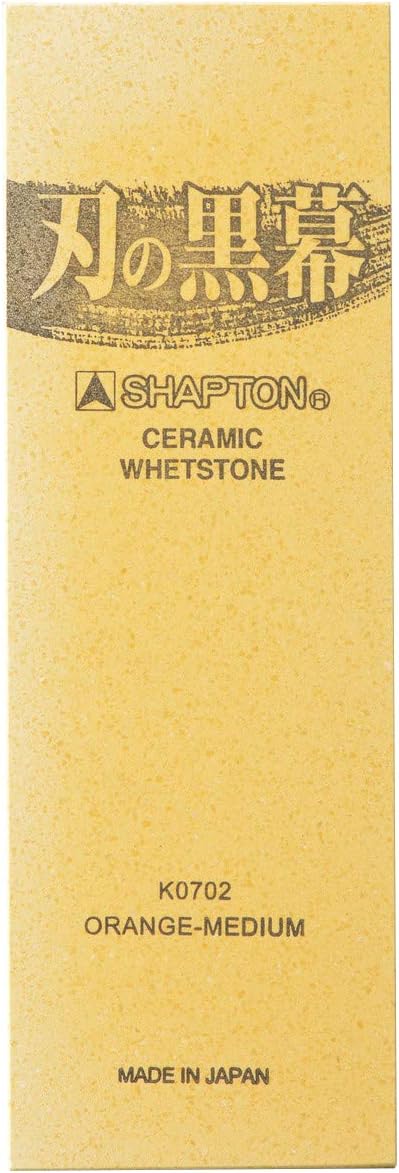
A whetstone — the flat rectangular block you drag a blade across to sharpen it — sounds simple. It’s just grit and water. But spend an afternoon reading owner reviews across the price ladder and you realize the stone under your blade quietly determines whether you spend thirty minutes fighting a dull edge or five minutes restoring a working one. This guide maps four distinct rungs on that ladder, from a $15 entry stone to the Shapton ceramic series that serious sharpeners treat as a permanent-kit purchase. The goal is to name exactly what each upgrade buys, what it costs you to stay at a lower rung, and at which point the return on spending genuinely flattens out. Whether you’re sharpening a $30 Mora or a $400 Chris Reeve Sebenza, the right stone matters — and the wrong one wastes both your time and your blade.
| EDITOR'S PICKSHAPTON Ha No Kuromaku Ceramic… | Mid-tierKING KW65 1000/6000 Grit Combin… | Budget pickKEENBEST Actual Grit Premium Ma… | |
|---|---|---|---|
| Grit combination | 1000 / 5000 | 1000 / 6000 | 400 / 1000 |
| Stone material | Ceramic | — | — |
| Base included | — | ✓ | ✓ |
| Non-slip base | — | — | ✓ |
| Set includes | Two stones | One stone | Sharpening kit |
| Price | $99.80 | $37.44 | $9.99 |
| See on Amazon → | See on Amazon → | See on Amazon → |
Rung 1: The King KW65 — Honest Value, Real Limits
The King KW65 is the stone most sharpening instructors point beginners toward, and for good reason: it removes metal, teaches angle discipline, and costs little enough that you’re not guarding it while you practice. Reviewers across bladeforums.com and the wider knife community consistently flag it as the right place to start precisely because it separates the financial risk of learning from the mechanical risk of damaging a nice stone. That’s a real service.
Here’s what owners report after extended use, though: the King KW65 requires soaking — submerging the stone in water for five to ten minutes before use — and it dishes (develops a concave hollow in the center) faster than higher-density stones. Dishing isn’t catastrophic; you can flatten a stone with a lapping plate or wet-dry sandpaper on glass. But it adds a maintenance task that premium stones sidestep entirely.
The harder question: Is the King KW65 adequate for D2, S30V, or other hard modern steels?
Bladeforums long-run threads answer this honestly: the King will sharpen those steels, but slowly. D2 runs 60–62 HRC and has significant carbide volume; S30V is similarly carbide-rich. Softer alumina stones like the King work by abrasive attrition — the grit breaks down as it cuts. On hard, wear-resistant steels, that breakdown happens faster relative to metal removal, which means more lapping, more passes, and more time per session. For a beginner learning angle control on a $40 Victorinox, the King is fine. For someone regularly maintaining a D2 or S30V blade, the math favors moving up.
Rung 2: Multi-Stone Starter Sets (The Intelitopia Model)
Between the single King stone and purpose-built premium ceramics sits a category of multi-stone progression sets — typically 400/1000/3000/8000 grit combinations bundled with a base, a flattening stone, and a leather strop, all under $50–$70. The Intelitopia set is the most reviewed representative of this tier.
The value case is real: a full grit progression lets you repair damaged edges (400), re-establish a bevel (1000), refine it (3000), and polish (8000) without buying four separate stones. For someone who wants to understand the full sharpening workflow, the set format is genuinely instructive.
What owners report — including the honest bad: Multiple reviewers praising the Intelitopia set’s progression still flagged one specific failure mode — stone chipping during unboxing, sometimes the moment the plastic packaging was removed. This isn’t a rare complaint and it shouldn’t be dismissed. Budget composite stones often have lower binder quality, meaning surface integrity is a real risk. If you receive one with a chip, it’s not user error; it’s a material limitation of the price point.
The practical implication: at this tier, you’re buying workflow education and grit variety. You’re not buying longevity or surface consistency. The stones may perform fine for months; they may chip early. That variance is priced in at $50.
Rung 3: The Sharp Pebble and the Rebranding Question
The Sharp Pebble is one of the highest-reviewed whetstone products in the mid-tier Amazon ecosystem, and it’s worth addressing directly: at least one well-cited review has pointed out that the Sharp Pebble is a rebranded commodity stone — the same physical product appears under multiple brand names, sourced from the same manufacturing pipeline.
That’s worth knowing, but it doesn’t automatically make it bad advice to buy one. The stone performs comparably to other alumina stones at its grit ratings. Owner reports are generally positive on edge results for kitchen knives and softer steels. The real question is whether you’re paying for branding overhead versus buying an equivalent stone under a less-marketed name at a lower price.
The honest verdict: If you find the Sharp Pebble on sale and it fits your budget, it will produce usable results on most knives. If you’re deliberate about the purchase, knowing that equivalent unbranded stones exist at lower price points is useful information — it means you’re not obligated to the brand. What you’re not getting at this tier, under any brand name, is the surface flatness consistency, faster cutting speed, or no-soak convenience that the next rung delivers.
Rung 4: Shapton Ha No Kuromaku — What the Jump Actually Buys
The Shapton Ha No Kuromaku series (also called the Shapton Kuromaku or “Black Blade”) is where owner testimony consistently shifts register. Reviewers who describe years of mediocre sharpening results — edges that came off the stone feeling almost-right but not crisp — report a noticeably different experience after switching. One pattern that appears in multiple reviews: owners who had nearly given up on resharpening German kitchen knives (typically 56–58 HRC, softer but with wide bevels that resist consistency) credit the Kuromaku specifically with rescuing those blades.
What’s happening mechanically, per Knife Steel Nerds’ analysis of abrasive media: Shapton uses a vitrified ceramic bond rather than the resin or clay binders common in budget stones. Vitrified ceramic holds grit more consistently, releases spent abrasive cleanly, and maintains a flatter surface over time. The result is faster metal removal per pass, more predictable feedback through the blade, and dramatically less maintenance dishing.
The feature that changes the workflow: splash and go.
“Splash and go” means you wet the stone surface with a small amount of water immediately before sharpening — no soaking, no waiting. The stone is dense enough that it doesn’t absorb water and swell, and it doesn’t need saturation to lubricate properly. Compared to the King’s required five-to-ten-minute soak, this is not a trivial difference. Sharpening on a schedule — touching up a hunting knife the morning of a trip, maintaining a fillet knife at camp — becomes practical when setup is thirty seconds instead of ten minutes.
The beginner question: Can someone with no prior whetstone experience get good results from a Shapton? The honest answer from aggregated owner reports is: yes, faster than on budget stones, but not without patience. The Shapton rewards consistent angle-holding and punishes wobble just as any flat stone does. What it removes is the variable of the stone itself — the feedback is cleaner, so mistakes in technique are easier to diagnose. Beginners who start on a Kuromaku tend to build intuition more quickly because the stone isn’t adding its own inconsistency to the learning curve.
The Work Sharp Benchstone: A Different Philosophy
The Work Sharp Benchstone occupies a specific niche worth naming: it bridges the gap between pull-through sharpeners and full whetstone practice. Reviewers consistently frame it as the responsible adult alternative to carbide pull-through sharpeners — devices that remove metal aggressively and leave a toothy, short-lived edge. The Benchstone uses diamond plates and a guided-angle system that produces a repeatable result without requiring the freehand angle control that a flat stone demands.
What it trades away: the tactile feedback and customization of freehand sharpening. If your goal is learning whetstone technique, the Benchstone is a parallel path, not a stepping stone to it. But if your goal is a reliably sharp blade with minimal skill investment — for a guide outfitting clients, for example, or for someone maintaining working tools at volume — the Benchstone’s speed and consistency are genuine advantages.
By the Numbers: What You’re Buying at Each Rung
| Stone Tier | Approx. Price | Soak Required? | Surface Life | Best For |
|---|---|---|---|---|
| King KW65 | ~$15 | Yes, 5–10 min | Moderate (dishes) | Beginners learning angle control |
| Intelitopia Set | ~$50–$70 | Yes | Low–moderate | Workflow education, grit variety |
| Sharp Pebble | ~$35–$50 | Yes | Moderate | Mid-tier knives, convenience purchase |
| Shapton Kuromaku | ~$50–$80/stone | No (splash-and-go) | High | Serious maintenance, hard steels |
Prices reflect May 2026 market conditions and vary by grit and retailer.
When Does a Diamond Stone Make More Sense?
Diamond stones sit outside the whetstone category but belong in this conversation because owners of D2, S30V, S35VN, and other high-carbide steels frequently reach for them. Diamond abrasive cuts harder than alumina or ceramic, which means faster metal removal on wear-resistant steels — and it doesn’t dish at all.
The trade: diamond plates are aggressive. They’re less forgiving of inconsistent angle, they can leave a scratchy edge if you’re not careful about progression, and the feel underhand is different from a water stone. For field repair — putting a working edge back on a damaged blade quickly — diamond plates are hard to beat. For polished, refined edges on premium blades, most serious sharpeners use diamond for coarse work and transition to water stones for finishing. Per GearJunkie’s 2025 whetstone overview, this hybrid approach is increasingly the standard recommendation from sharpening instructors.
Frequently Asked Questions
Do I need to soak a Shapton stone before use? No. The Shapton Ha No Kuromaku is a splash-and-go stone — add a small amount of water to the surface right before sharpening. No pre-soaking required or recommended. Soaking a Shapton can actually damage the vitrified bond over time.
Is the King KW65 good enough for D2 or S30V steel? It will work, but slowly. Owner reports from bladeforums.com consistently note that the King’s softer alumina abrasive breaks down faster on high-carbide steels, requiring more passes and more frequent flattening. For occasional touch-ups it’s acceptable; for regular maintenance of hard steels, it’s worth stepping up.
What does ‘splash and go’ mean and why does it matter? Splash and go refers to a stone that only needs a light wetting of the surface immediately before use, rather than a soak. It matters practically: setup time drops from ten minutes to thirty seconds, making it realistic to sharpen on a field schedule or before a hunt.
Is the Sharp Pebble stone worth its price compared to similar cheaper stones? The Sharp Pebble performs adequately for its grit ratings, but at least one detailed review has identified it as a rebranded commodity stone available under other names at lower prices. If you find it at a discount, it’s a reasonable choice. If you’re buying deliberately, knowing that equivalent alternatives exist is useful — you’re paying for packaging and marketing as much as the stone itself.
When does it make sense to buy a diamond stone instead of a whetstone? When you’re regularly sharpening high-carbide steels (D2, S30V, S35VN, CPM-3V), when you need fast field repairs, or when you want a stone that never dishes. Many serious sharpeners use diamond for coarse work and transition to water stones for edge refinement — per Knife Steel Nerds’ abrasive analysis, this hybrid approach makes mechanical sense.
Can a beginner get good results from the Shapton without prior experience? Yes, but angle discipline is still required. What the Shapton removes is stone variability — the feedback is cleaner, so technique errors are easier to identify and correct. Aggregated owner reports suggest beginners build skill faster on a consistent stone than on a budget stone that introduces its own inconsistency.
The Decision Rule
If you’re learning, start with the King KW65 — protect your practice investment. If you’ve developed angle discipline and you’re maintaining quality blades, the Shapton Kuromaku is where the upgrade pays off in real time savings and edge quality. If you’re working hard steels regularly, add a diamond plate for coarse work and finish on the Shapton. The upgrade path isn’t about spending more to feel serious — it’s about matching the stone to the steel and the workflow you actually have.